Importing Goods from Rwanda: A Comprehensive Guide
- Pawel Maksymczak
- Dec 9, 2025
- 4 min read

Rwanda, often referred to as the "Land of a Thousand Hills," is emerging as a significant player in the global trade landscape. With its strategic location in East Africa, Rwanda offers unique opportunities for businesses looking to import goods. This guide will walk you through the essential steps, regulations, and considerations for successfully importing goods from Rwanda.
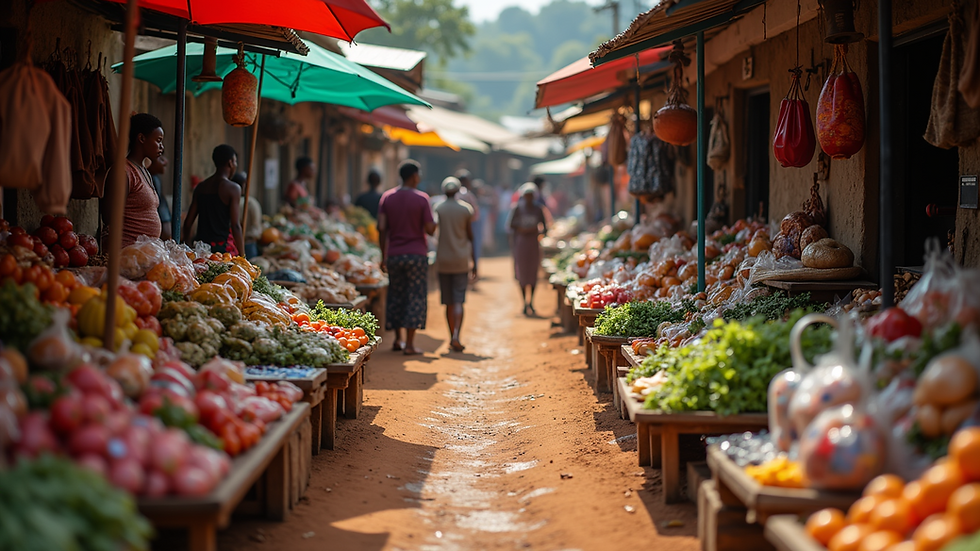
Understanding Rwanda's Trade Environment
Economic Overview
Rwanda has made remarkable strides in economic development over the past two decades. The government has focused on creating a conducive environment for trade and investment. Key sectors driving the economy include agriculture, tourism, and manufacturing.
Agriculture: Rwanda's agricultural sector is diverse, producing coffee, tea, and various fruits and vegetables.
Tourism: The country attracts visitors with its stunning landscapes and wildlife, particularly the mountain gorillas.
Manufacturing: The government is keen on boosting local manufacturing to reduce dependency on imports.
Trade Agreements
Rwanda is a member of several trade agreements that facilitate international trade:
East African Community (EAC): This regional bloc promotes trade among member states, reducing tariffs and non-tariff barriers.
African Continental Free Trade Area (AfCFTA): This agreement aims to create a single market for goods and services across Africa, enhancing trade opportunities.
Understanding these agreements is crucial for businesses looking to import goods from Rwanda, as they can significantly affect tariffs and trade regulations.
Steps to Import Goods from Rwanda
1. Research Your Market
Before diving into the import process, conduct thorough market research. Identify the products you want to import and assess their demand in your target market. Consider factors such as:
Consumer preferences: What do consumers in your market want?
Competition: Who are your competitors, and what are they offering?
Pricing: What price points are consumers willing to pay?
2. Identify Reliable Suppliers
Finding trustworthy suppliers is critical to your success. Here are some tips for identifying reliable partners in Rwanda:
Attend trade fairs: Events like the Rwanda International Trade Fair provide opportunities to meet suppliers and see products firsthand.
Use online platforms: Websites like Alibaba and TradeKey can help you connect with Rwandan suppliers.
Seek recommendations: Networking with other importers can lead to valuable supplier recommendations.
3. Understand Import Regulations
Rwanda has specific regulations governing imports. Familiarize yourself with these to ensure compliance:
Import permits: Certain goods may require permits before importation. Check with the Rwanda Revenue Authority (RRA) for specific requirements.
Customs duties: Be aware of the applicable customs duties and taxes for your products. The RRA provides a tariff schedule that outlines these costs.
Standards and certifications: Ensure that your products meet Rwandan standards. This may involve obtaining certifications from relevant authorities.
4. Logistics and Shipping
Once you've identified suppliers and understood the regulations, it's time to plan logistics:
Choose a shipping method: Decide whether to use air freight or sea freight based on your budget and urgency.
Hire a freight forwarder: A freight forwarder can help navigate the complexities of shipping and customs clearance.
Insurance: Consider insuring your goods during transit to protect against loss or damage.
5. Customs Clearance
Upon arrival in Rwanda, your goods will need to clear customs. This process involves:
Submitting documentation: Prepare necessary documents, including the bill of lading, commercial invoice, and import permits.
Paying duties and taxes: Ensure that all customs duties and taxes are paid to avoid delays.
6. Distribution and Sales
After clearing customs, you can distribute your goods. Consider the following:
Warehousing: Determine if you need a warehouse for storage before distribution.
Sales channels: Identify how you will sell your products, whether through online platforms, retail stores, or wholesalers.
Challenges of Importing from Rwanda
While importing goods from Rwanda presents opportunities, it also comes with challenges:
Infrastructure Limitations
Rwanda's infrastructure is improving, but challenges remain, particularly in rural areas. Transportation and logistics can be affected by road conditions and limited access to certain regions.
Regulatory Hurdles
Navigating the regulatory landscape can be complex. Importers must stay updated on changing regulations and ensure compliance to avoid penalties.
Currency Fluctuations
The Rwandan franc (RWF) can be subject to fluctuations, impacting the cost of goods. Importers should monitor exchange rates and consider hedging strategies to mitigate risks.
Success Stories
Several businesses have successfully imported goods from Rwanda, showcasing the potential of this market:
Coffee Importers: Companies specializing in importing Rwandan coffee have found success due to the high quality and unique flavors of Rwandan beans. By establishing direct relationships with local farmers, they ensure quality and fair trade practices.
Handicrafts: Importers of Rwandan handicrafts, such as baskets and textiles, have tapped into the growing demand for unique, ethically sourced products. By leveraging online platforms, they reach a global audience.
Conclusion
Importing goods from Rwanda offers exciting opportunities for businesses willing to navigate the complexities of the process. By conducting thorough research, identifying reliable suppliers, and understanding regulations, you can successfully tap into this emerging market. As Rwanda continues to develop its trade environment, the potential for growth and profit will only increase.
Take the next step by exploring the unique products Rwanda has to offer and consider how they can fit into your business strategy.


Comments